If you picture Washington, DC living as sleek high-rises and fast-moving streets, the classic rowhouse offers a very different experience. It is charming, vertical, historic, and deeply tied to the feel of many of the city’s most recognizable blocks. If you are thinking about buying, renting, or simply understanding what life in a DC rowhouse is really like, this guide will walk you through the layout, lifestyle, tradeoffs, and neighborhood context that matter most. Let’s dive in.
What Defines a Classic DC Rowhouse
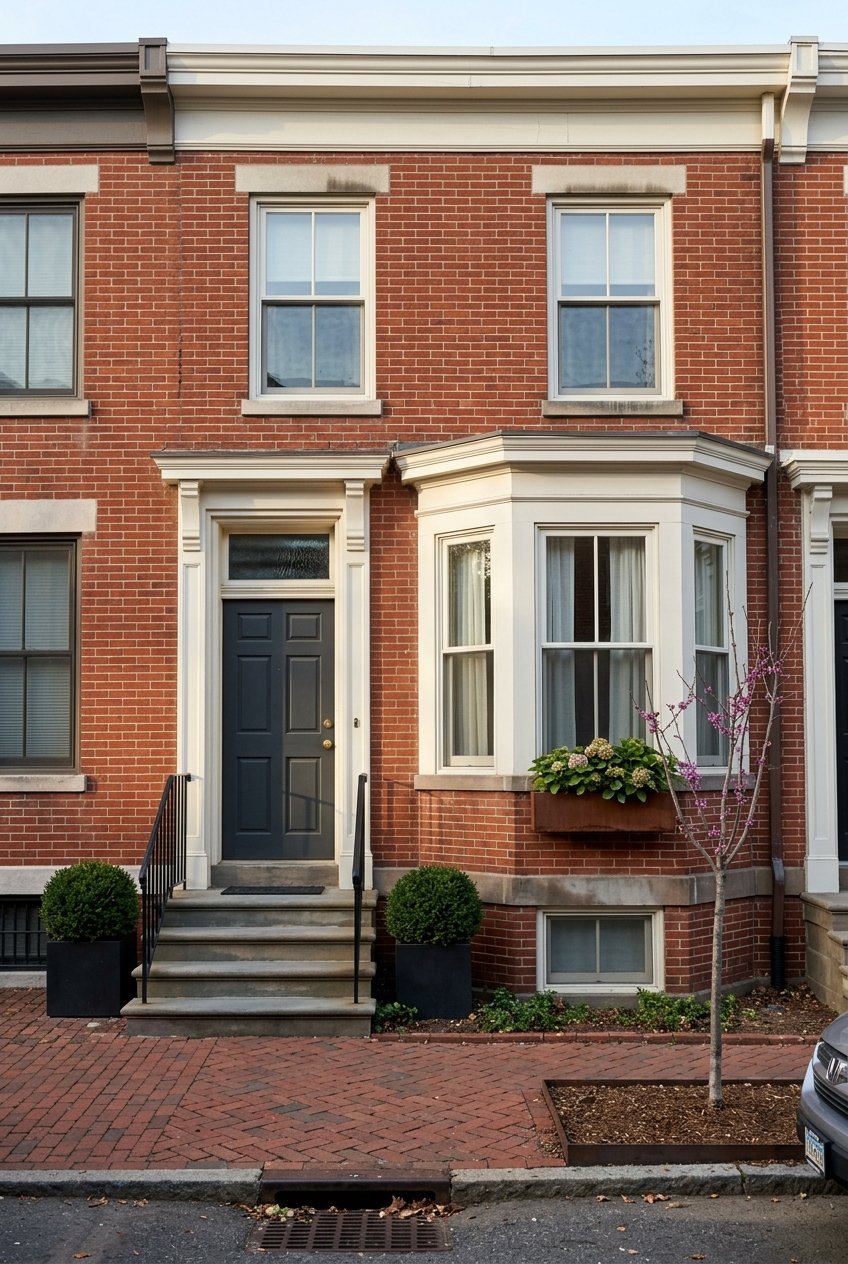
A classic DC rowhouse is usually an attached brick home with shared side walls, often rising three stories above a raised basement. Historic examples show a side-hall layout and a two-room-deep interior, which helps explain why these homes often feel tall and efficient rather than wide and sprawling.
That layout shapes daily life in ways you notice quickly. You may get more separation between living spaces across levels, but you will also use stairs often. For many buyers, that vertical design is part of the appeal, especially if you value character and distinct spaces over an open, single-level floor plan.
Why Rowhouse Blocks Feel So Distinct
Part of the rowhouse lifestyle comes from the streetscape, not just the home itself. In neighborhoods like Bloomingdale and LeDroit Park, DC planning and preservation sources describe coordinated brick facades, decorative masonry, low-rise forms, and a strong sense of block identity.
Those repeating details give many rowhouse neighborhoods a human-scaled feel. Bays, porches, dormers, rooftop ornament, and decorative brickwork create visual rhythm, while tree-lined streets and landscaped front areas soften the urban setting.
Neighborhood Character Matters
Not every rowhouse block feels the same. Pricing, lot size, transit access, and preservation rules can vary a lot from one neighborhood to the next, even within the District.
Recent citywide Zillow benchmarks put DC’s average home value at $582,914, with a median sale price of $631,483 and average rent at $2,436. In classic rowhouse areas, average home values vary meaningfully, including about $608,822 in Columbia Heights, $642,670 in Petworth, $681,649 in Brookland, and $918,786 in Capitol Hill.
How the Layout Affects Daily Living
Rowhouse living is often a good fit if you like clearly defined rooms, classic architecture, and a home that feels connected to the street and neighborhood. It can be less ideal if you want one-level living, oversized closets, or a large amount of interior square footage spread across one floor.
Because the footprint is usually compact, natural light and room flow can vary from house to house. Some homes feel bright and open in main living areas, while others rely more on rear exposure or upper floors for light. When you tour a rowhouse, pay close attention to stair placement, basement ceiling height, and how the rooms connect.
The Basement Is Part of the Story
Many classic DC rowhouses sit above a raised basement, which changes both curb appeal and function. That lower level may provide extra living space, storage, or flexible use, but the way it feels can differ widely depending on ceiling height, access, and updates.
This is one of the reasons an in-person walkthrough matters. Two homes on the same block can have a very different day-to-day feel, even if they look similar from the outside.
Outdoor Space Is Smaller, But Meaningful
One of the biggest surprises for buyers is how much value small outdoor areas can add. In Bloomingdale, planning guidance notes that front yards often act as landscaped buffers, while rear yards are typically fenced.
That means you may not have a sprawling lawn, but you can still enjoy useful outdoor space. A front garden, a rear patio, or even a comfortable stoop can become part of your routine in a way that feels very connected to the neighborhood.
Expansion Usually Happens at the Rear
If you are thinking ahead about renovations, location and preservation rules matter. DC guidance for rowhouse areas like Bloomingdale and Woodley Park generally points toward rear additions as the preferred way to add space without changing the character of the street.
By contrast, front additions that disrupt the rhythm of a row are generally discouraged. Roof decks and rooftop additions may be possible in some cases, but they typically need to be set back enough that they are not visible from the primary street view.
Historic District Rules Can Shape Your Plans
In DC, buying a rowhouse in a historic district can come with extra responsibilities. The city’s Historic Preservation Office says historic district guidelines are tailored to neighborhood building types and conditions, and exterior work that affects a historic property may require preservation review.
That does not mean you cannot improve or update the home. It does mean you should expect a more rule-bound process, especially for visible exterior changes.
Permits Are a Real Part of the Process
DC says permits are generally required for additions, alterations, decks, fences, sheds, garages, retaining walls, and window replacement. If the property is historic, exterior work that requires a permit may also trigger preservation review.
For buyers, the practical takeaway is simple. If you love the idea of customizing a rowhouse, make room in your plans for research, review timelines, and professional guidance before making assumptions about what you can change.
Parking Is Possible, But Rarely Effortless
Parking is one of the most important lifestyle questions in rowhouse neighborhoods. DC’s residential parking permit system is not automatic, and a block must be zoned for RPP. On those blocks, non-permitted vehicles are generally limited to two hours during restricted times.
The first annual residential parking permit is listed at $55 effective March 30, 2026. DC also notes that if you have garage parking or do not need to park on a zoned street, you may not need an RPP.
Alleys and Rear Parking Add Flexibility
Alleys are part of the rowhouse story in many neighborhoods. Bloomingdale’s design guidance notes that many blocks include alleys with one- and two-story garages and former stable buildings, though some have evolved into parking pads or enclosed garage doors.
That kind of access can be a major benefit, but it varies by property. If parking is high on your list, it is worth looking beyond the front facade and understanding exactly what the lot and alley setup offer.
Transit Can Make Rowhouse Living Easier
For many DC residents, transit and micromobility help balance the challenge of street parking. WMATA neighborhood profiles cover many classic rowhouse areas, including Brookland, Columbia Heights and Mt Pleasant, Dupont Circle, U Street, Chinatown, NOMA, Capitol Hill, Petworth, and Shaw, Logan Circle, and Mt Vernon Square.
Metro also says it offers 24/7 bus service on 14 DC routes. Capital Bikeshare reports more than 8,000 bikes and 800-plus stations across the region, which gives many residents another practical option for shorter daily trips.
A Car-Light Lifestyle Can Work Well
If you live in a rowhouse area with strong bus, rail, bike, and walk access, you may find that you do not need to drive every day. That can be a real advantage in neighborhoods where charm and convenience are high, but easy parking is not always guaranteed.
For buyers who do drive regularly, it is still smart to budget for the time, cost, and patience that parking in the city may require. The right fit depends on how you actually live day to day.
Parks Help Balance Smaller Private Space
One of the tradeoffs of rowhouse living is that private outdoor space is often modest. The flip side is that DC offers major public open space that can expand your lifestyle well beyond your lot line.
Rock Creek Park spans nearly 3,000 acres across northwest and part of northeast DC and includes more than 30 miles of hiking trails. Anacostia Park offers a river trail, picnic areas, and a skating pavilion, giving residents more ways to enjoy outdoor time without needing a large yard at home.
Who the DC Rowhouse Lifestyle Fits Best
Classic DC rowhouse living often works best for people who value neighborhood character, city access, and architectural charm. You may be a strong match if you like established blocks, want some private outdoor space, and are comfortable with stairs and a more vertical home layout.
It can also be a smart option if you want a housing style that feels rooted in the city’s history. At the same time, it may be less ideal if your top priorities are easy parking, one-level living, or fewer renovation rules.
What to Consider Before You Buy
Before you move forward on a DC rowhouse, it helps to ask a few practical questions:
- How do you feel about using stairs every day?
- Do you want outdoor space, even if it is compact?
- Is street parking acceptable, or do you need off-street parking?
- Are you open to historic district rules if the home is in a protected area?
- Do you prefer charm and neighborhood identity over a more standardized newer-home layout?
The more clearly you answer those questions, the easier it becomes to tell whether a rowhouse is the right fit for your lifestyle and budget.
If you are weighing DC rowhouse living and want practical guidance that matches your goals, The Dream Team is here to help you explore neighborhoods, compare home options, and move forward with confidence.
FAQs
What is a classic DC rowhouse layout like?
- A classic DC rowhouse is usually an attached brick home with shared side walls, often three stories above a raised basement, with a vertical layout that tends to be compact and stair-heavy.
What should buyers know about historic DC rowhouse renovations?
- In DC, exterior work on historic properties may require preservation review, and permits are generally required for items like additions, alterations, decks, fences, garages, retaining walls, and window replacement.
What is parking like in DC rowhouse neighborhoods?
- Parking can be limited, and residential parking permits are only available on blocks zoned for RPP, though some homes may offer alley access, garages, or parking pads.
What kind of outdoor space comes with a DC rowhouse?
- Many rowhouses have small front yards that act as landscaped buffers and fenced rear yards, so outdoor space is often modest but still useful.
Which DC rowhouse neighborhoods have different price points?
- Recent average home values cited in the research include about $608,822 in Columbia Heights, $642,670 in Petworth, $681,649 in Brookland, and $918,786 in Capitol Hill.
Who is a good fit for the classic DC rowhouse lifestyle?
- Rowhouse living often fits buyers or renters who prioritize neighborhood character, transit access, and some outdoor space more than easy parking or single-level living.