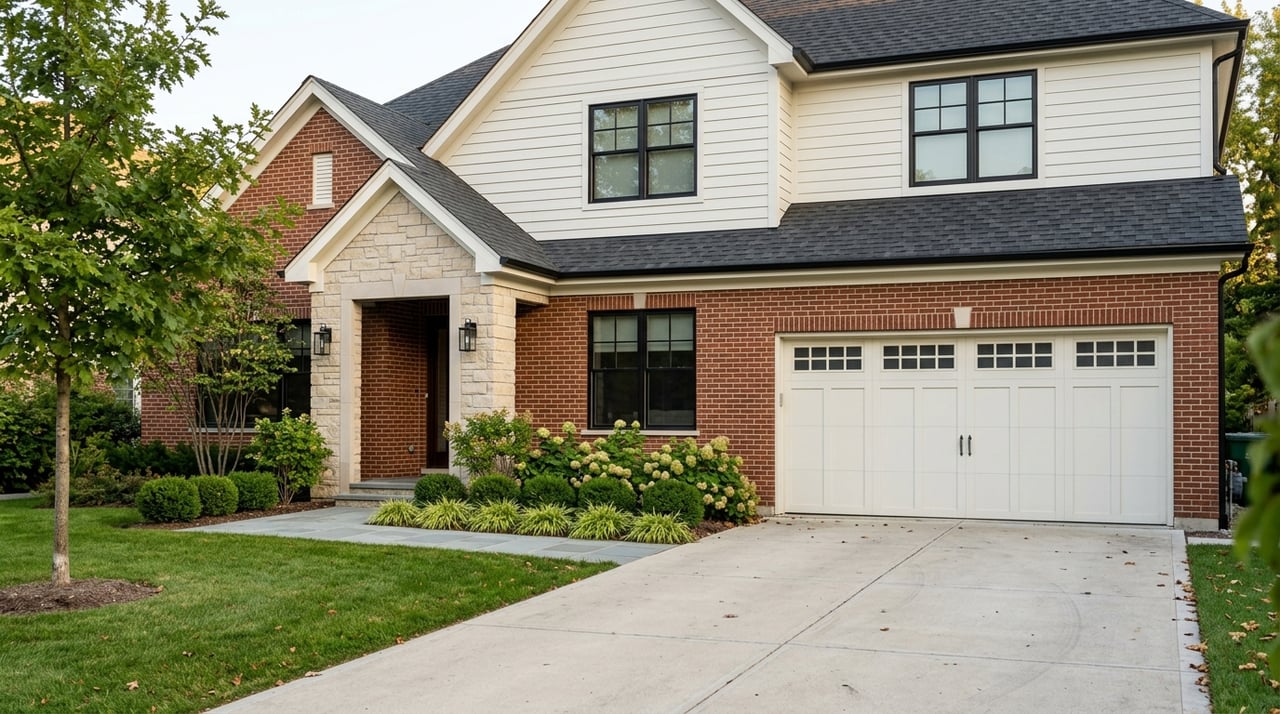
Wondering whether your current home still fits your life, or if it is time to take the next step? If you own a home in Montgomery County, that question can feel exciting and stressful at the same time. The good news is that a smart move-up decision is not just about wanting more space. It is about knowing your numbers, understanding timing, and having a plan that works for both your sale and your purchase. Let’s dive in.
What moving up really means
A move-up purchase is often framed as buying a bigger or better home, but in practice it is usually two transactions that need to work together. You are selling one home, unlocking equity, and using that equity to help buy the next property.
That matters even more in Montgomery County, where the market remains competitive. Maryland REALTORS' May 2026 report shows 996 units sold, a median sales price of $697,000, 2,014 active listings, 2.5 months of inventory, and a median of 8 days on market. Realtor.com's May 2026 data also points to a tight market, with a median sold price of $665,000, 3,413 active listings, a 28-day median on market, and a 100% sale-to-list ratio.
Why many owners are asking now
If your household has changed, your current home may no longer match your day-to-day needs. You may want another bedroom, more outdoor space, a different layout, or a home office that actually works.
At the same time, many homeowners are sitting on equity after several years of price growth. That can make moving up possible, but it does not always make it easy. In a market like Montgomery County, the key question is whether your available equity and monthly payment comfort level line up with today’s prices and rates.
Check your equity first
Home equity is the value of your home minus what you still owe on your mortgage. That is a useful starting point, but it is not the same as cash you can spend.
Before you assume you have enough to move up, think about what comes out of your sale proceeds. Your mortgage payoff, county taxes and fees tied to the sale, moving costs, and purchase closing costs can all shrink the amount available for your next down payment.
Montgomery County says county transfer tax is typically 1% of the selling price. The county also says recordation tax is $8.90 per $1,000 up to $500,000, then 1.35% above $500,000, with a possible $890 exemption for occupied residential property. Those costs can have a real impact on what you net from your sale.
Know what the next payment could feel like
For many move-up buyers, the biggest shock is not the purchase price. It is the new monthly payment.
CFPB says your true monthly housing cost should include principal, interest, property taxes, mortgage insurance if applicable, homeowners insurance, supplemental insurance such as flood insurance, and HOA fees. It also advises buyers to budget for closing costs, moving costs, repairs, home improvements, and even new furniture.
Mortgage rates also matter a lot when you move up. Freddie Mac's June 25, 2026 reading put the average 30-year fixed rate at 6.49%. At that rate, every additional $100,000 borrowed adds about $631 per month in principal and interest alone over 30 years, before taxes and insurance.
That means even a modest jump in purchase price can create a meaningful change in your monthly budget. If you are considering a move-up purchase, it helps to test several scenarios before you start shopping.
Montgomery County prices vary by area
One of the biggest factors in a move-up decision is where you want to go next. In Montgomery County, pricing can change a lot from one submarket to another.
Realtor.com's May 2026 data shows median listing prices of:
- $499,000 in Silver Spring
- $525,000 in Gaithersburg
- $676,900 in Rockville
- $1,262,500 in Bethesda
- $1,299,000 in Potomac
That spread is important. If you are moving from one part of the county to another, you may not just be upgrading the home itself. You may also be stepping into a very different price bracket.
Do not overlook first-year property taxes
A lot of buyers focus on principal and interest, then get surprised by taxes. In Montgomery County, first-year property tax rules can affect your payment more than expected.
The county says the Homestead Property Tax Credit does not apply in the first year after purchase. It also notes that annual taxable assessment increases for principal residences are limited to 10%, and that the County Income Tax Offset Credit has been $692 for eligible principal residences with Homestead on file.
In plain terms, your first-year tax picture may look different from later years. That is one reason the county requires sellers to estimate and disclose the following year's property tax to prospective buyers.
Selling first vs buying first
This is often the hardest part of moving up. You need to decide whether to sell your current home before buying your next one, or try to buy first and sell second.
CFPB says homeowners normally try to sell first before buying another home. That approach can reduce risk because you know how much cash you have and avoid carrying two homes at once.
Still, that is not always realistic when the right home appears before your current home sells. In a fast market, some buyers feel pressure to act quickly, especially when inventory is limited.
When selling first can help
Selling first can give you a cleaner financial picture. You know your net proceeds, you can set a more accurate purchase budget, and your offer on the next home may be simpler.
It can also lower stress around overlapping payments. If your sale closes before your next purchase, you may avoid the risk of carrying both your current mortgage and a new housing payment at the same time.
When buying first may make sense
Buying first can be helpful if you find a home that is hard to replace and you are financially prepared for the overlap. It may also make sense if you need more flexibility around your move timeline.
But buying first usually requires a stronger plan. Without one, a move-up purchase can put pressure on your budget if your current home takes longer to sell than expected.
Understand your offer strategy options
If you need your current home to sell before you can comfortably close on the next one, a home sale contingency may help. CFPB says this can protect you from being forced to close if your current home does not sell.
The tradeoff is that sellers often see contingent offers as less attractive because they can lengthen and complicate the transaction. In a competitive Montgomery County market, that can affect how strong your offer looks.
CFPB also notes that the mortgage contingency clause in the sales contract controls whether your deposit is refunded if financing falls through. That is one more reason to be clear about your financing strategy before you make offers.
Financing tools some move-up buyers consider
Some homeowners look at bridge financing, a home equity loan, or a HELOC to help cover the gap between buying and selling. These tools can create flexibility, but they also add risk if the timing does not go as planned.
CFPB's Regulation Z describes a temporary or bridge loan as a loan with a term of 12 months or less, including a loan used to buy a new dwelling while the buyer plans to sell a current dwelling within 12 months. This is the basic structure behind many buy-before-you-sell programs.
CFPB also explains that a home equity loan gives you a lump sum, while a HELOC works more like a revolving line of credit. Because both are secured by your home and sit behind your first mortgage, they create another payment obligation. If your old home does not sell quickly, that added monthly cost can increase pressure.
A simple move-up decision checklist
Before you decide it is time to move up in Montgomery County, ask yourself these questions:
- How much equity do you actually expect to have after mortgage payoff and sale-related taxes and fees?
- How much cash will you need for closing costs, moving costs, repairs, and setup in the new home?
- How much additional borrowing are you comfortable carrying each month?
- Are you planning to stay in the next home long enough for the move to make financial sense?
- Would your offer likely need a home sale contingency?
- If you buy first, do you have a backup plan if your current home does not sell quickly?
CFPB notes that buying can be risky and expensive if you may move again within the next few years because of commissions, taxes, and other transaction costs. That makes your time horizon an important part of the decision.
So, is it time to move up?
For some Montgomery County homeowners, the answer is yes. If you have solid equity, a realistic view of your first-year payment, and a clear strategy for selling and buying, moving up can be the right next step.
For others, the better move may be to wait, keep building equity, or target a different part of the county where pricing fits more comfortably. There is no one-size-fits-all answer. The right decision comes down to whether your equity, monthly payment, taxes, and timing all work together.
If you want a calm, practical plan for your next step, The Dream Team can help you understand your home's value, map out your options, and build a move-up strategy that fits your goals.
FAQs
Is Montgomery County a seller's market for move-up homeowners?
- Yes. May 2026 data from Maryland REALTORS and Realtor.com both point to a tight market, with low inventory, quick selling times, and homes selling at about 100% of list price on average.
How do I know if I have enough equity to move up in Montgomery County?
- Start with your home's value minus your mortgage balance, then subtract likely sale costs, county taxes and fees, purchase closing costs, and moving expenses to estimate what you may actually have available.
What should I include in a move-up home budget in Montgomery County?
- CFPB says to include principal, interest, property taxes, mortgage insurance if applicable, homeowners insurance, supplemental insurance, HOA fees, closing costs, moving costs, repairs, and home improvements.
Will property taxes be higher after buying another home in Montgomery County?
- They can be, especially in the first year, because Montgomery County says the Homestead Property Tax Credit does not apply in the first year after purchase.
Should I sell my current home before buying my next home in Montgomery County?
- Many homeowners sell first to reduce financial risk and clarify their budget, but the best approach depends on your cash position, timing needs, and comfort with overlap.
What is a home sale contingency in a Montgomery County move-up purchase?
- It is a contract term that can protect you if your current home does not sell before closing, though it may make your offer less attractive to sellers in a competitive market.